
With growing access to recycling and composting facilities, Americans are more empowered than ever to make sustainable choices. From backyard composting of banana peels and grass clippings to sorting recyclables, eco-conscious habits are becoming mainstream. But what about packaging labeled “biodegradable” or “compostable in industrial facilities”? Are they the same? And which is better for the environment?

Understanding Biodegradable vs. Compostable
At first glance, “biodegradable” and “compostable” may seem interchangeable. Both suggest a product will break down naturally, reducing environmental impact. However, there are key scientific and regulatory differences that set them apart.What Does “Biodegradable” Mean?
A biodegradable product is one that can break down completely and return to nature within one year of disposal, according to the Federal Trade Commission (FTC) guidelines (§260.8(c) of the Green Guides). To legally claim biodegradability, companies must provide scientific evidence that the entire item will decompose under typical environmental conditions. The Environmental Protection Agency (EPA) notes that biodegradable plastics often contain natural polymers that help them degrade in soil or water. Standards like ASTM D5338 (aerobic biodegradation) and ASTM D6691 (marine biodegradation) help measure this process.What Does “Compostable” Mean?
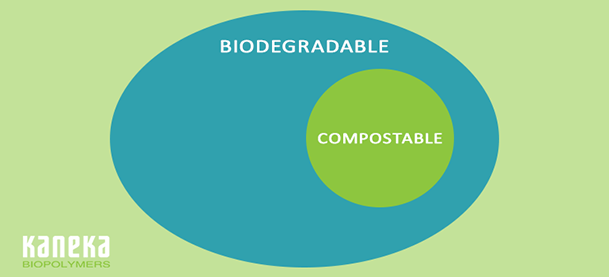
Compostable materials are a subset of biodegradable products, but they must meet stricter standards. According to the EPA, compostable plastics must degrade into soil-enriching material under the conditions of an industrial composting facility. These facilities use heat, moisture, and microorganisms to transform waste into compost. Standards such as ASTM D6400 and ASTM D6868 define what qualifies as compostable in commercial settings.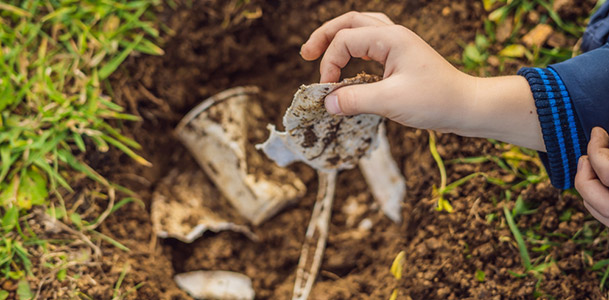
Industrial Composting vs. Home Composting
When packaging says “compostable in industrial facilities,” it means the product requires specific conditions—like high heat and controlled humidity—to break down properly. Most municipalities do not offer curbside industrial composting, and there are no federal standards for home compostability.Can You Compost Biodegradable Plastics?
In many cases, biodegradable plastics can be composted—but only in industrial facilities. The EPA confirms that unless a product is labeled as marine biodegradable only, it may be suitable for commercial composting.Compostable vs. Recyclable: What’s the Difference?
While both compostable and recyclable products aim to reduce waste, they follow different paths:- Recyclable items are reprocessed into new products, often without a timeline.
- Compostable items must break down within a specific timeframe in the right environment.
Kaneka’s Sustainable Polymer Solutions
At Kaneka, we offer innovative, plant-based biopolymers like Kaneka PHBH™, which are:- Industrially compostable
- Home compostable
- Marine biodegradable
For more information, see our compostability / degradability disclaimer